


+92 (0088) 6823

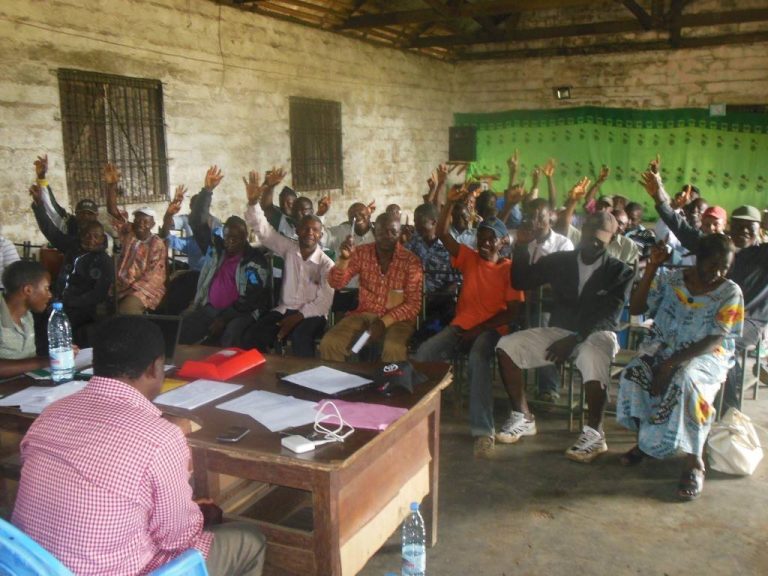
Bakossi National Park is more than a protected landscape it is home to the Bakossi people and many surrounding communities who depend on the forest for their livelihoods, traditions, and identity. Conservation here is rooted in collaboration: working hand-in-hand with local people to ensure that protecting the park also means improving lives.
Cluster Conservation & Development Agreements (CCDAs): Signed with local communities to define rights, responsibilities, and benefits of conservation.
Community Surveillance Teams: Former hunters and village forest management committees help monitor the park, dismantle traps, and report illegal activities.
Environmental Education: Awareness campaigns and school programs empower youth to see themselves as future custodians of the park.
To reduce hunting pressure and provide sustainable income, the park and its partners support new livelihoods:
Beekeeping: Over 300 beehives installed, with training for former hunters to produce and sell honey.
Piggery: Repentant poachers trained in modern pig farming, provided with pigsties, piglets, and feed.
Vocational Training: Skills such as construction, carpentry, mechanics, ICT, hotel catering, and electricity taught in Buea to open new career paths.
Community Farming: White pepper farms established in 20 communities, creating revenue while reducing reliance on hunting and logging.
The Bakossi people trace their ancestry to Ngoe (the Leopard), and their sacred landscapes like the Kupe-Muanenguba twin lakes and Muandelengoh rocks are living expressions of this heritage.
Visitors can engage with local communities through storytelling, music, dance, and rituals, experiencing how culture and conservation come together.
Respecting cultural sites ensures that tourism supports both spiritual traditions and biodiversity protection.
Strengthens trust and cooperation between the park and local people.
Provides sustainable income while reducing dependence on poaching and deforestation.
Preserves traditional knowledge and heritage for future generations.
Creates a sense of shared responsibility for protecting nature.